Life Expectancy of a Dog with IVDD
If your dog has just been diagnosed with intervertebral disc disease, the first question that likely crosses your mind is: how long does a dog with IVDD live? It is a natural and deeply important question, and the answer is far more hopeful than many pet owners fear. IVDD or intervertebral disc disease is a serious condition, but with proper diagnosis, treatment, and care, the life expectancy of a dog with IVDD can be completely normal. Many dogs go on to live long, active, and fulfilling lives after diagnosis and treatment. This guide explains what IVDD is, what affects long-term outcomes, and what you can do to give your dog the best possible future.
What Is IVDD in Dogs?
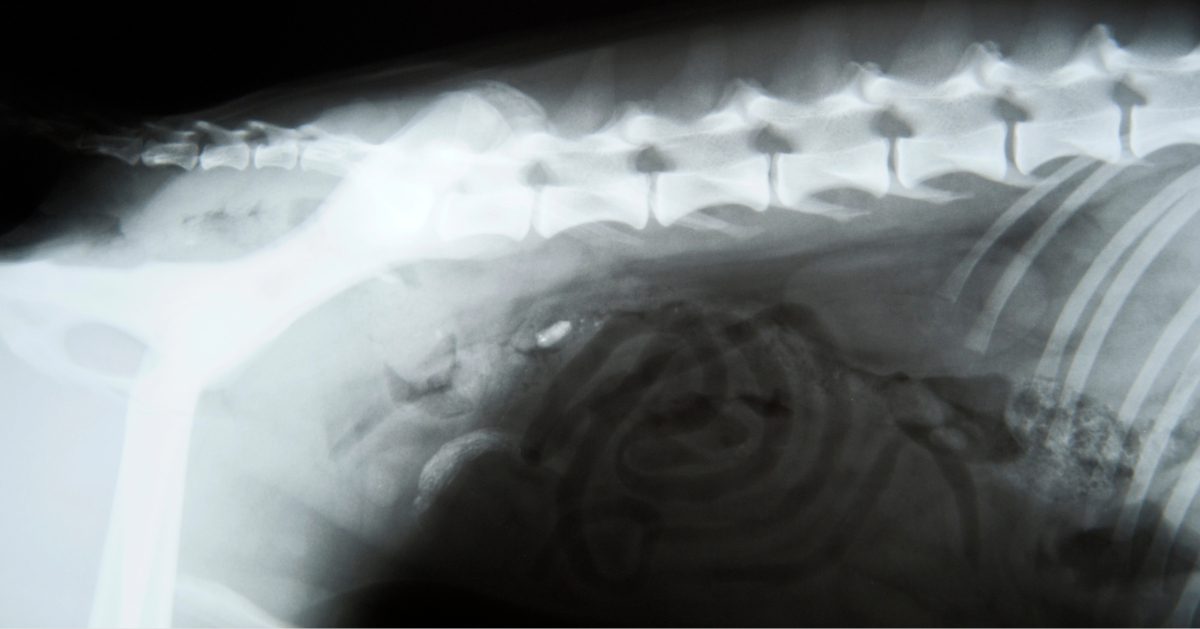
Intervertebral disc disease (IVDD) is a degenerative spinal condition in which the cushioning discs between the vertebrae of the spine deteriorate, bulge, or rupture. When a disc loses its normal structure and presses against the spinal cord or surrounding nerves, it causes pain, neurological dysfunction, and in severe cases, paralysis.
IVDD is one of the most common neurological conditions in dogs. It affects breeds of all sizes, but is especially prevalent in chondrodystrophic breeds, those with shorter legs and longer spines, such as Dachshunds, Corgis, Basset Hounds, French Bulldogs, and Shih Tzus. Large-breed dogs including German Shepherds and Doberman Pinschers can also be affected, though the type of disc degeneration differs.
Types of IVDD
There are two primary types of IVDD in dogs. Hansen Type I involves a sudden rupture of the disc, which typically affects chondrodystrophic breeds and can cause rapid onset of symptoms. Hansen Type II involves a gradual bulging of the disc over time and tends to occur in older, larger-breed dogs. The type and location of the disc herniation influence treatment options and recovery expectations.
Does IVDD Shorten a Dog’s Life Expectancy?
The good news is that IVDD itself does not significantly shorten life expectancy in most dogs. The disease is not cancer. It does not spread through the body or attack organ systems. A dog with IVDD that receives appropriate treatment and management can live a full lifespan consistent with their breed.
The factors that have the greatest influence on outcome are the severity of neurological involvement at the time of diagnosis, how quickly treatment begins, and what type of treatment is pursued. Dogs diagnosed early, before significant neurological damage occurs, generally have excellent outcomes. Even dogs who experience paralysis can recover meaningful function with surgery and rehabilitation in many cases.
When Does IVDD Become Life-Threatening?
In its most severe form, IVDD can be life-threatening if a disc rupture causes severe spinal cord compression and the dog loses deep pain perception in their limbs. This represents a neurological emergency, and surgery must be performed quickly to give the dog the best chance of recovery. Even in these cases, many dogs survive and regain varying degrees of function. However, outcomes are significantly better when intervention happens promptly, which is why recognizing the signs of IVDD and acting fast matters so much.
What Are the Signs of IVDD in Dogs?
Recognizing IVDD early can dramatically improve your dog’s outcome. The signs vary depending on the location and severity of the disc problem, and they can come on gradually or with sudden, alarming intensity.
Early Warning Signs
Early signs of IVDD often include reluctance to jump, climb stairs, or move normally. Your dog may appear painful when you touch their back or neck, cry out when picked up, or hold their head low. You might notice muscle trembling, a hunched posture, or a subtle change in how they walk. These signs warrant an immediate veterinary evaluation.
Progressive Neurological Symptoms
As disc herniation progresses or worsens, symptoms become more pronounced. Weakness or wobbliness in the hind legs, knuckling of the paws, dragging of limbs, or loss of bladder and bowel control are serious signs that the spinal cord is under significant pressure. Paralysis, either partial or complete, can develop rapidly in acute cases. Any of these signs require urgent veterinary care.
How Is IVDD Treated in Dogs?
Treatment for IVDD depends on the severity of the condition and the degree of neurological involvement. Your veterinarian will use physical examination, neurological assessment, and advanced imaging to determine the best course of action.
Conservative Medical Management
For dogs with mild to moderate symptoms and no significant neurological deficits, conservative management may be recommended. This typically involves strict cage rest for several weeks, anti-inflammatory medications to reduce spinal cord swelling, and pain management. Dogs managed conservatively require careful monitoring, and activity must be strictly limited to allow the disc and surrounding tissues to stabilize.
Surgical Treatment
Surgery is recommended for dogs with moderate to severe neurological deficits, repeated episodes of IVDD, or cases where conservative treatment has failed. The most common procedure is a hemilaminectomy, which involves removing the herniated disc material that is compressing the spinal cord. When performed by a skilled veterinary neurologist or surgeon and followed by appropriate rehabilitation, surgery produces excellent outcomes in a high percentage of cases.
Rehabilitation and Integrative Therapies
Whether a dog undergoes surgery or conservative management, rehabilitation plays a critical role in recovery. Physical therapy, hydrotherapy, laser therapy, acupuncture, and chiropractic care have all been shown to support neurological recovery, restore muscle strength, and improve mobility in dogs with IVDD. An integrative care approach that combines conventional and complementary medicine consistently produces the best long-term outcomes.
Can a Dog with IVDD Live a Normal Life?
Yes, many dogs with IVDD go on to live normal or near-normal lives. Recovery depends on the severity of the initial episode, the speed of treatment, the treatment approach, and ongoing management. Dogs who regain neurological function after surgery or conservative care often return to comfortable, active lifestyles. Even dogs that retain some degree of weakness or rely on mobility aids like wheelchairs can have excellent quality of life with attentive owners and appropriate support.
It is worth noting that dogs who have experienced one IVDD episode are at higher risk for future episodes, particularly in breeds genetically predisposed to the condition. Managing weight, avoiding high-impact activities like jumping, using ramps and steps, and maintaining regular veterinary monitoring can all reduce the risk of recurrence and protect long-term spinal health.
What Factors Affect IVDD Prognosis in Dogs?
When discussing the life expectancy of a dog with IVDD, prognosis is best understood through the specific factors that influence each individual case. No two dogs present the same way, and outcomes vary accordingly.
Neurological Grade at Presentation
Veterinarians assess IVDD severity on a graded scale from I to V. Grade I involves pain with no neurological deficits, while Grade V involves paralysis with loss of deep pain perception. Dogs presenting at lower grades have a significantly better prognosis than those presenting at Grade IV or V. However, even Grade V dogs can recover with prompt surgical intervention, though outcomes become less predictable.
Speed of Treatment
Time is one of the most critical factors in IVDD outcomes. Dogs that receive appropriate treatment within 24 to 48 hours of symptom onset, particularly those requiring surgery, recover at higher rates and with greater neurological function than those whose treatment is delayed. If your dog shows signs of IVDD, do not wait to seek veterinary care.
Ongoing Monitoring and Care
Long-term outcomes are also shaped by the quality and consistency of aftercare. Dogs whose owners commit to rehabilitation, weight management, activity modifications, and regular veterinary check-ins do better over time. Partnering closely with your veterinary team gives your dog the strongest foundation for a full and healthy life after IVDD.
Your Dog’s Best Life Starts with the Right Care
An IVDD diagnosis can feel frightening, but it is not a life sentence. With prompt, appropriate treatment and a committed care team, the life expectancy of a dog with IVDD is not dramatically different from any other dog of the same breed and age. What matters most is acting quickly, choosing the right treatment approach, and staying actively involved in your dog’s recovery. At Ann Arbor Animal Hospital, we are here to guide you through every step, from diagnosis to treatment to long-term management. If your dog is showing signs of spinal pain or neurological changes, call us at (774) 662-4475.
Recent Posts
About Us
Ann Arbor Animal Hospital is a locally-owned animal hospital operating for over 90 years in Ann Arbor, MI.