
Our Blog

June is Adopt a Shelter Cat Month!
Approximately 7.6 million animals enter our national shelter system each year and of this number, 3.9 million are dogs and 3.4 million are cats. Read on for more interesting facts about our shelters!
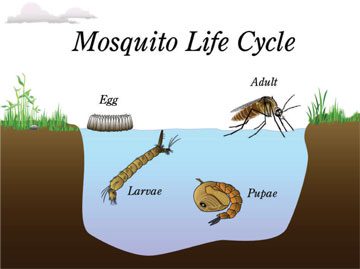
Reasons for increased risk of heartworm
A fungal infection, a new type of mosquito, and humanitarian efforts with far-reaching effects. Can you guess what these all have in common?

2015 Dog Bite Prevention: year in review
Dog bites are a real cause for concern and every year the statistics are alarming. This infographic illustrates the span of this problem, but there are steps we can all take to decrease the risk to ourselves and others. Posts throughout this week aim to raise awareness and educate on dog bite prevention

It’s A Snap–Dog Bite Prevention Week
National Dog Bite Prevention Week is May 15-21st! Take care not be among the nearly 1 million Americans who require medical attention for dog bite wounds every year.

A Yellow Ribbon: ask before petting
Some conscientious dog owners will attach a yellow ribbon to the leash or collar of a pet that may need some extra space. Be sure to ask before petting these animals and if walking your own dog, try to give the yellow ribboned dog plenty of room.

National Animal Preparedness Day May 8th
National Animal Preparedness Day isn’t just a reminder to have a family action plan for a major disaster e.g. terrorist attack or Hurricane Katrina-like flooding, but for smaller family emergencies as well.
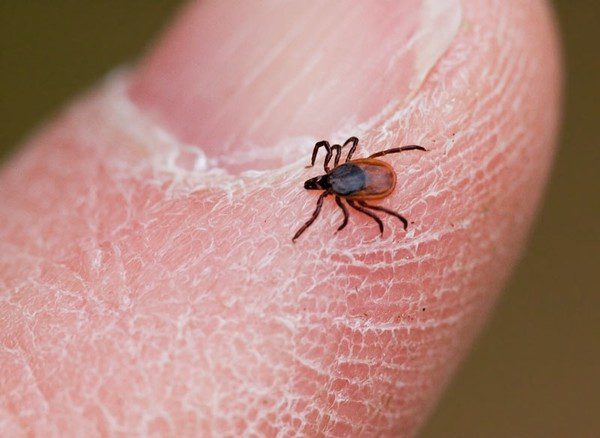
A few ways to control the tick population in your yard
Tick season is upon us and seems particularly bad this year. Monthly tick prevention is a must for the pet owner but how do we keep ticks away from us and our children as well? This post contains a few ideas on how to control the tick population in your yard this spring and summer season.
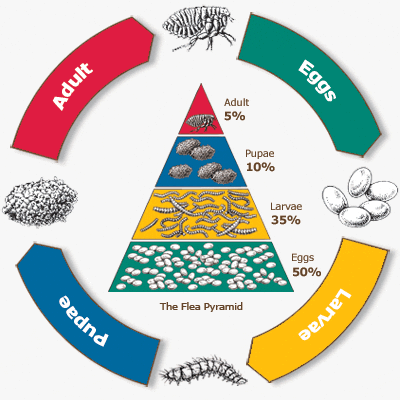
Parasites of spring and summer
As the warmer weather of spring brings the outdoors back to life with flowers and animals, the parasites that feed on those animals also make their presence known. Unfortunately, these parasites are numerous and would love to make your pet their new home. The good news is that parasites and their ill effects can be combated and treated and in many cases are preventable.

Take the time to learn pet CPR!
Hopefully you’ll never have to use it, but it’s always good to be prepared!
Mosquito season is here!
Did you know mosquito eggs can lay dormant for months in cold temperatures? This post includes the life-cycle of the mosquito and why we all need to be concerned, especially when it comes to our pets!