
Cat’s Ears Bleeding: Is This a Veterinary Emergency?
If you’ve noticed your cat’s ears bleeding, it’s natural to feel alarmed and for good reason. A bleeding ear is never normal and often signals an underlying problem that needs veterinary attention. While some causes may be mild, others can point to more serious health concerns. So, how do you know whether it’s time to call the vet? This blog will help you understand what may cause a cat’s ears to bleed, how to spot associated symptoms, and when to seek professional care. If your cat is showing signs of discomfort or their ears are actively bleeding, call Ann Arbor Animal Hospital today at (734) 662-4474 or request an appointment online.
Why Are My Cat’s Ears Bleeding?
Bleeding from a cat’s ears can result from a wide range of conditions, ranging from minor injuries to infections or parasitic infestations. In some cases, the bleeding may be visible on the outer ear (pinna), while in others, it may come from inside the ear canal. Understanding the possible causes can help you know what to expect during a veterinary visit.
Ear Mites
One of the most common reasons for a cat’s ears bleeding is ear mites. These microscopic parasites are highly contagious between cats and live in the ear canal, feeding on skin debris. As your cat scratches or shakes their head to relieve the intense itching, the sensitive skin in and around the ear can become irritated and bleed. You may also notice a dark, coffee-ground-like discharge inside the ears, which is often mistaken for dirt.
Scratches or Trauma
Cats are active and curious animals, which makes them prone to minor injuries. Scratches from another animal, self-inflicted wounds due to itching, or accidental trauma while playing can all lead to a cat’s ears bleeding. If your cat goes outdoors or lives with other pets, even a small scuffle can result in cuts or abrasions. These wounds may look minor at first but can easily become infected if not treated promptly.
Ear Infections
A bacterial or fungal infection in the ear can lead to inflammation, irritation, and in some cases, bleeding. Infected ears often appear red and swollen, and they may emit an unpleasant odor. Cats with an ear infection usually scratch excessively or shake their heads frequently. Left untreated, the infection can worsen and potentially damage deeper parts of the ear.
Hematomas
A hematoma forms when blood vessels rupture between the skin and cartilage of the ear flap, typically due to vigorous head shaking or scratching. While a hematoma itself doesn’t cause external bleeding, it can result in significant swelling and tenderness. If it ruptures or is scratched open, it may start to bleed. Hematomas often require surgical treatment to prevent permanent changes in the shape of the ear.
Allergies and Skin Conditions
Skin allergies and conditions such as dermatitis can lead to persistent itching and inflammation in the ears. This irritation causes cats to scratch excessively, which can lead to open wounds and bleeding. Food allergies, environmental irritants, and flea bites are common triggers. If your cat frequently experiences itchy ears or skin flare-ups, allergies could be a contributing factor.
Signs That Accompany a Cat’s Ears Bleeding
In addition to visible bleeding, your cat may show other signs that something’s wrong. These symptoms can help your veterinarian determine the underlying issue during your cat’s visit. Always monitor your cat’s behavior and physical condition closely if you notice blood around their ears.
Excessive Scratching or Head Shaking
If your cat constantly scratches one or both ears or shakes their head more than usual, it could indicate irritation or discomfort. These behaviors can worsen the condition, especially if the skin breaks open and begins to bleed. Persistent scratching also increases the risk of secondary infections.
Redness, Swelling, or Discharge
Look for redness, swelling, or a foul-smelling discharge around or inside your cat’s ears. These are strong indicators of infection or infestation. The presence of pus or a crusty buildup suggests that the issue has been ongoing and may be worsening.
Behavioral Changes
Cats experiencing ear pain often become less social or more irritable. You might notice your cat avoiding being touched around the head or retreating to quiet spaces. They may also have a reduced appetite or seem less active than usual, especially if the discomfort is significant.
When to Seek Veterinary Care for Your Cat’s Ears Bleeding
Any amount of bleeding from your cat’s ears warrants a call to your veterinarian. While not every case is an emergency, a veterinary exam can help diagnose the issue early and prevent complications. It’s always safer to address the problem sooner rather than later, especially when your cat’s comfort and health are on the line.
If the bleeding is heavy, persistent, or accompanied by other concerning symptoms such as swelling, odor, or behavioral changes, contact your vet right away. In some situations, such as suspected infections or hematomas, delaying care can lead to chronic pain or more invasive treatments later. If your cat has a contagious condition like ear mites or a bacterial infection, early intervention also helps reduce the risk of spreading it to other pets in your household.
What to Expect During a Veterinary Visit
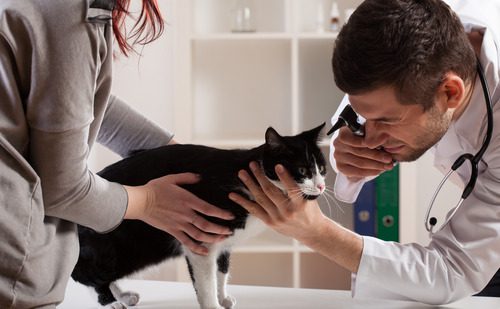
When you bring your cat to Ann Arbor Animal Hospital for a bleeding ear, the team will begin by gathering a full medical history and performing a physical exam. Your veterinarian will gently examine your cat’s ears using an otoscope to look inside the ear canal. Depending on what they find, they may recommend additional diagnostic testing.
Possible Diagnostic Tests
- Ear swab cytology: A sample of the discharge or debris may be examined under a microscope to identify bacteria, yeast, or mites.
- Culture and sensitivity testing: If a resistant infection is suspected, your vet may send a sample to a lab to determine the most effective treatment.
- Blood tests: These can help rule out systemic issues or identify inflammation that may be related to an allergy or immune condition.
Addressing Bleeding Ears in Cats
Once a diagnosis is made, your veterinarian will tailor a treatment plan to your cat’s condition. This may include prescription ear drops, oral medication, or in some cases, surgical correction (such as draining a hematoma). Your vet will also advise you on how to prevent future issues, especially if allergies or recurring infections are involved.
Why You Shouldn’t Try to Treat a Cat’s Bleeding Ears at Home
While it’s tempting to clean or treat your cat’s ears at home, doing so can sometimes make the situation worse. Over-the-counter ear drops or ointments can irritate already sensitive tissue, especially if the cause hasn’t been identified. Using cotton swabs or attempting to flush the ear canal may also cause injury or push debris further inside the ear. Bringing your cat to a veterinary professional is the safest way to determine what’s going on and provide the appropriate care. Even if the bleeding seems minor, it may be a symptom of a deeper issue that requires professional attention.
Helping Your Cat Stay Comfortable and Safe
If your cat’s ears are bleeding, the best thing you can do is stay calm and schedule an appointment with your veterinarian. Addressing the issue early improves the chances of a quicker recovery and helps prevent long-term complications. Bleeding ears can be painful and distressing for your cat, so don’t delay care. At Ann Arbor Animal Hospital, we’re here to support your cat’s health every step of the way. Call us today at (734) 662-4474 or request an appointment online. If your cat’s ears are bleeding or showing other signs of discomfort, we’ll make every effort to see you promptly and provide the care your cat needs.
Recent Posts
About Us
Ann Arbor Animal Hospital is a locally-owned animal hospital operating for over 90 years in Ann Arbor, MI.