
Acupuncture for Dogs: Your Questions Answered
If you have ever watched your dog struggle to get up after a nap, limp after a run, or seem uncomfortable in ways that are hard to pinpoint, you know how helpless it can feel. Acupuncture for dogs is an increasingly popular and well-researched treatment that is helping pets across the country move better, feel better, and live more comfortably, and it may be exactly what your dog needs. Whether you are exploring options after a diagnosis, looking to complement an existing treatment plan, or simply curious about what veterinary acupuncture involves, this guide walks you through everything you need to know.
What Is Veterinary Acupuncture?
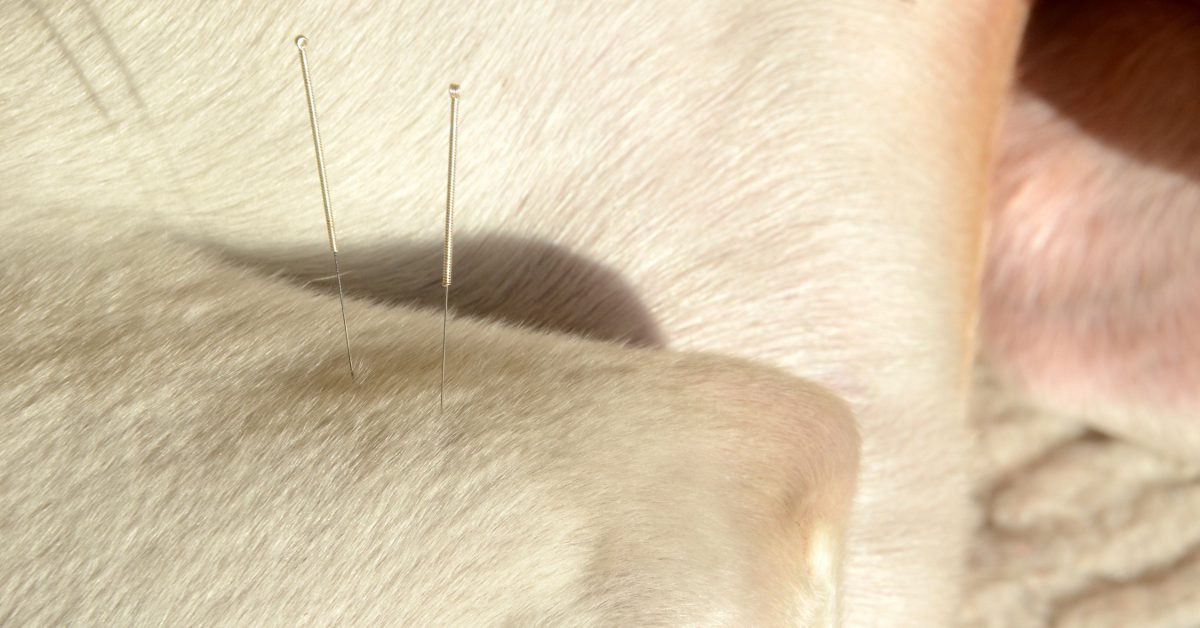
Veterinary acupuncture is a form of integrative medicine that involves inserting very thin, sterile needles into specific points on your dog’s body to stimulate healing, reduce pain, and restore balance. Rooted in Traditional Chinese Veterinary Medicine (TCVM) and supported by a growing body of Western scientific research, acupuncture works by activating the nervous system, increasing blood circulation, and triggering the release of the body’s natural pain-relieving compounds, including endorphins and anti-inflammatory agents.
The acupuncture points used in dogs correspond to areas where nerves, blood vessels, and connective tissue converge. When stimulated, these points can produce measurable physiological effects throughout the body, making this therapy far more than an alternative trend. Today, veterinary acupuncture is practiced by licensed veterinarians with specialized training and certification, and it is recognized by the American Veterinary Medical Association (AVMA) as a valid medical modality.
What Conditions Can Dog Acupuncture Help Treat?
One of the most common questions pet owners ask is: what does acupuncture actually treat in dogs? The answer is broader than many people expect. Veterinary acupuncture is most often used to address pain and musculoskeletal issues, but its benefits extend across several body systems.
Musculoskeletal and Neurological Conditions
Acupuncture is especially effective for dogs with arthritis, hip dysplasia, intervertebral disc disease (IVDD), spondylosis, and soft tissue injuries. Dogs recovering from orthopedic surgery or managing degenerative joint disease often respond very well to acupuncture as part of a multimodal pain management plan. It is also used to support dogs with neurological conditions, including partial paralysis, nerve damage, and wobbler syndrome.
Internal Medicine and Chronic Conditions
Beyond pain relief, acupuncture for dogs can support the treatment of gastrointestinal disorders, chronic kidney disease, respiratory conditions, hormonal imbalances, and immune system dysfunction. It is also used as a supportive therapy for dogs undergoing cancer treatment, helping to manage side effects and improve quality of life.
Behavioral and Performance Issues
Some dogs benefit from acupuncture for anxiety, stress-related behaviors, and performance recovery in canine athletes. Because acupuncture promotes nervous system regulation, it can have a calming effect on dogs who experience chronic stress or tension.
Is Acupuncture Safe for Dogs?
Safety is a top concern for any pet owner, and dog acupuncture has a strong safety profile when performed by a qualified veterinary professional. The needles used are extremely fine (much thinner than hypodermic needles) and are sterile and single-use. Most dogs tolerate the treatment well and many actually relax during their sessions. Side effects are rare, but may include mild soreness at needle sites or temporary fatigue following treatment, both of which typically resolve within 24 hours.
It is important to understand that veterinary acupuncture should only be performed by a licensed veterinarian with formal training in the technique. A trained veterinary acupuncturist will conduct a thorough evaluation of your dog’s health history, current condition, and treatment goals before recommending a plan. This ensures the therapy is appropriate and safe for your individual pet.
What Should I Expect During My Dog’s Acupuncture Session?
If you are wondering what happens during a dog acupuncture appointment, here is what a typical session looks like at a veterinary practice that offers integrative care.
The Initial Consultation
Your first visit will include a comprehensive physical exam and a detailed health history review. Your veterinarian will assess your dog’s posture, gait, areas of pain or tension, and overall constitution from both a Western medical and Traditional Chinese Veterinary Medicine perspective. This evaluation guides the selection of acupuncture points specific to your dog’s needs.
The Treatment Session
During the session, your dog will be positioned comfortably, often lying down or sitting, while your veterinarian gently places needles at selected points. Most sessions last between 20 and 45 minutes. Many dogs become drowsy or deeply relaxed, which is a positive sign that the treatment is having an effect. You are welcome to stay with your dog throughout the session.
How Many Treatments Will My Dog Need?
The number of acupuncture sessions your dog needs depends on the nature and severity of their condition. Acute injuries may respond in just a few sessions, while chronic conditions like arthritis or IVDD often benefit from an initial series of weekly treatments followed by monthly maintenance sessions. Your veterinarian will outline a recommended treatment schedule based on your dog’s response.
How Does Acupuncture Work Alongside Conventional Veterinary Care?
Veterinary acupuncture is an integrative therapy, meaning it works best alongside and not instead of conventional medical care. It can reduce a dog’s reliance on pain medications, improve recovery time after surgery, and enhance the effectiveness of physical rehabilitation. Many veterinary specialists now recommend acupuncture as part of a comprehensive multimodal treatment plan, particularly for dogs managing chronic pain or recovering from neurological conditions.
If your dog is already receiving treatment for a specific condition, acupuncture can often be incorporated into that plan. A good veterinary acupuncturist will communicate with your dog’s primary care team to ensure all therapies are coordinated and complementary.
Which Dogs Are Good Candidates for Acupuncture?
Almost any dog can be a candidate for acupuncture, but certain patients tend to benefit the most.
Senior Dogs
Older dogs dealing with the cumulative effects of age (joint stiffness, reduced mobility, muscle weakness) are among the most common and most responsive acupuncture patients. Acupuncture offers a way to improve quality of life for senior dogs without adding to their medication burden.
Dogs with Chronic Pain
Dogs managing long-term conditions like degenerative joint disease, hip dysplasia, or spinal problems are strong candidates. Acupuncture provides ongoing pain relief and helps slow the decline in function that comes with these conditions.
Post-Surgical and Rehabilitating Dogs
Dogs recovering from orthopedic procedures, spinal surgeries, or significant injuries often benefit from acupuncture as part of their rehabilitation. It supports faster healing, reduces post-operative discomfort, and helps restore normal movement patterns.
Helping Your Dog Feel Their Best
Your dog cannot tell you where it hurts or how much, but you can see the signs, and now you have options. Acupuncture for dogs is a proven, safe, and deeply effective therapy that is changing the lives of pets every day. At Ann Arbor Animal Hospital, our team is passionate about integrative care and helping every patient find relief, restoration, and a better quality of life. If your dog is dealing with pain, mobility challenges, or a chronic condition, we invite you to reach out and explore whether acupuncture is the right next step. Call us at (734) 662-4474 today. Your dog’s comfort is worth it.
Recent Posts
About Us
Ann Arbor Animal Hospital is a locally-owned animal hospital operating for over 90 years in Ann Arbor, MI.