
Why Do Dogs Reverse Sneeze?
If you’ve ever watched your dog suddenly stop, stretch their neck forward, and make a loud, honking or snorting sound that seems to go on forever, you know exactly how alarming it can be. That strange episode is called a reverse sneeze, and while it looks like your dog is struggling to breathe, it’s usually harmless. Understanding why dogs reverse sneeze, what triggers it, and when it might signal something more serious can save you a lot of worry and help you be a more informed pet owner. Keep reading below for everything you need to know about reverse sneezing in dogs.
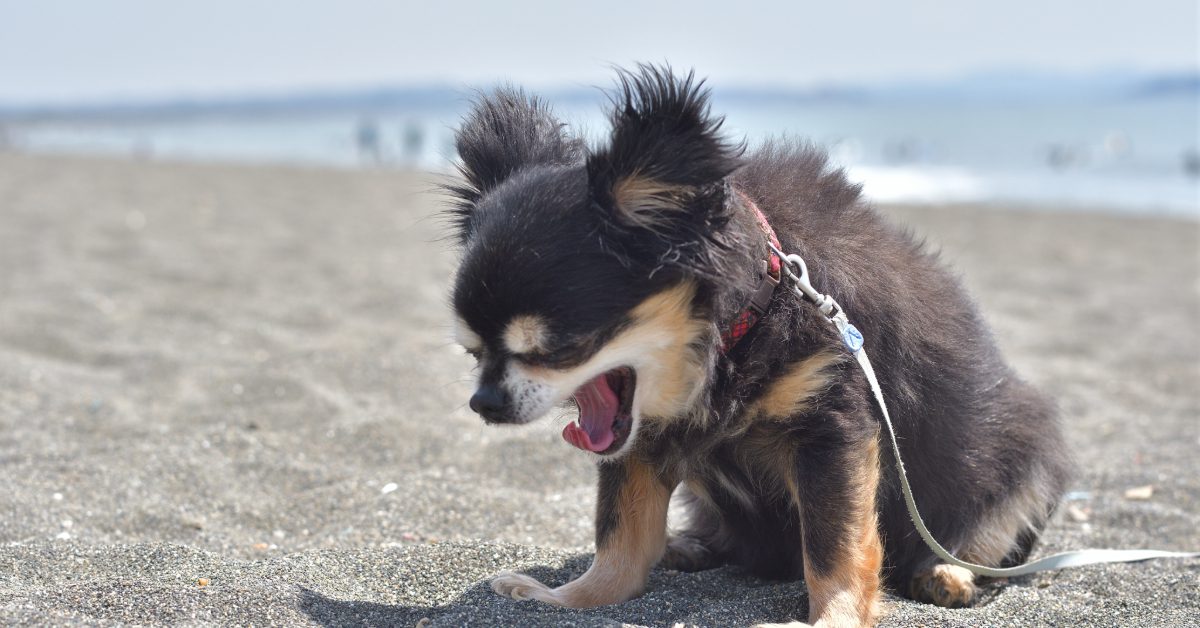
What Is a Reverse Sneeze in Dogs?
A reverse sneeze, medically known as paroxysmal respiration, is a respiratory event in which a dog rapidly pulls air into the nose rather than expelling it outward like a normal sneeze. The result is a repetitive, forceful inhalation that produces a distinctive snorting, honking, or gagging sound. Most episodes last anywhere from a few seconds to a minute or two, and dogs typically return to normal behavior immediately afterward.
The reverse sneeze reflex originates in the soft palate and throat. When the soft palate becomes irritated, the muscles of the throat spasm, causing the dog to extend their neck, widen their eyes, and pull elbows outward while making that alarming noise. Despite how it looks and sounds, the dog is not choking and is not in immediate danger during a typical episode.
Common Causes of Reverse Sneezing in Dogs
Reverse sneezing can be triggered by a wide variety of irritants and situations. Most causes are benign, but understanding what sets off your dog’s episodes can help you minimize their frequency and identify any patterns worth discussing with your veterinarian.
Environmental Irritants
Dogs have highly sensitive noses, and airborne particles are one of the most common reverse sneeze triggers. Dust, pollen, perfumes, air fresheners, cleaning products, and cigarette smoke can all irritate the nasal passages and soft palate, setting off a reverse sneezing episode. If your dog tends to reverse sneeze more during certain seasons or after you’ve used a particular product in your home, environmental irritants may be the cause.
Excitement and Physical Activity
Many dogs reverse sneeze when they get excited. Think greetings at the door, the moment before a walk, or playtime that ramps up quickly. Rapid changes in breathing during excitement or vigorous activity can irritate the soft palate and trigger the reflex. This type of reverse sneeze is usually brief and resolves on its own.
Eating, Drinking, and Swallowing
Eating or drinking too quickly, swallowing something that partially irritates the throat, or even post-meal excitement can all prompt reverse sneezing. Dogs that eat fast or tend to gulp water are particularly prone to these episodes around mealtimes.
Leash Pulling and Collar Pressure
Pressure on the trachea and throat from a collar during leash pulling is a surprisingly common trigger. Dogs that pull against their leash may experience repeated reverse sneezing during walks. Switching to a harness can reduce pressure on the throat and may decrease the frequency of episodes for these dogs.
Nasal Drip and Allergies
Just like humans, dogs can experience post-nasal drip when they have allergies or upper respiratory irritation. That mucus dripping down the back of the throat can trigger the soft palate to spasm. Dogs with environmental or seasonal allergies may reverse sneeze more frequently during high-pollen periods.
Which Dog Breeds Reverse Sneeze Most Often?
While any dog can reverse sneeze, brachycephalic breeds, meaning those with short, flat faces, are particularly prone to the reflex. These breeds have compressed nasal passages, elongated soft palates, and narrower airways, all of which make the soft palate more susceptible to irritation and spasm.
Breeds commonly affected include Bulldogs, Pugs, Boxers, Boston Terriers, Shih Tzus, and French Bulldogs. That said, small and toy breeds like Beagles, Chihuahuas, and Miniature Schnauzers also reverse sneeze more frequently than larger dogs. If you have a brachycephalic dog, talking with your vet about their overall respiratory health is always a good idea.
How to Tell If It’s a Reverse Sneeze Or Something Else
One of the most common questions dog owners ask is how to tell the difference between a reverse sneeze and a more serious medical event. It’s an important distinction, because some conditions that look similar like a collapsed trachea, choking, a foreign body obstruction, or a respiratory infection do require immediate veterinary attention.
Signs of a Typical Reverse Sneeze
During a normal reverse sneezing episode, your dog will typically stand still with their neck extended forward and elbows pointed outward. They will make repetitive, loud snorting or honking sounds while pulling air inward. The episode usually ends within 30 to 60 seconds, and your dog will act completely normal immediately afterward. No coughing, lethargy, or distress.
Warning Signs That Need Veterinary Attention
You should contact your veterinarian if reverse sneezing episodes become very frequent, last longer than a couple of minutes, or are accompanied by other symptoms such as nasal discharge, coughing, wheezing, difficulty breathing, loss of appetite, or lethargy. These signs may point to an underlying condition like nasal polyps, a nasal mite infestation, a foreign object in the nasal passage, or a respiratory infection, all of which need professional evaluation and treatment.
What to Do During a Reverse Sneeze Episode
If your dog starts reverse sneezing, the most helpful thing you can do is stay calm. Your dog can sense your anxiety, and getting worked up can make the episode last longer. Speak to your dog in a calm, reassuring voice and try to gently comfort them without restraining them.
Some owners find that lightly massaging the dog’s throat or briefly covering the nostrils to encourage swallowing can help shorten an episode, but whether to attempt this is something best discussed with your veterinarian first. Every dog is different, and your vet can give you personalized guidance based on your dog’s history and health.
When to See a Veterinarian About Reverse Sneezing
An occasional reverse sneeze is not cause for alarm. However, if your dog is reverse sneezing multiple times a day, if the episodes seem to be increasing in frequency or severity, or if you notice any other changes in their breathing, behavior, or appetite, a veterinary visit is the right call.
Your veterinarian can perform a thorough examination to rule out underlying causes and put your mind at ease. In some cases, addressing an allergy, treating a nasal infection, or making a simple lifestyle change can significantly reduce how often your dog reverse sneezes. For brachycephalic breeds with chronic issues, there may be additional management strategies your vet can recommend.
Your Dog’s Respiratory Health Starts With a Conversation
Understanding why dogs reverse sneeze puts you in a much better position to support your pet’s health and recognize when something needs professional attention. While most reverse sneezing episodes are nothing to worry about, you know your dog better than anyone and if something doesn’t feel right, trust that instinct.
The team at Ann Arbor Animal Hospital is here to answer your questions and provide expert care for every stage of your dog’s life. If you’re concerned about your dog’s breathing, reverse sneezing frequency, or overall respiratory health, we’d love to help. Call us at (774) 662-4475 today or make an appointment because peace of mind starts with great veterinary care.
Recent Posts
About Us
Ann Arbor Animal Hospital is a locally-owned animal hospital operating for over 90 years in Ann Arbor, MI.