
My Cat Ate Plastic: What Do I Do?
If your cat ate plastic, your concern is completely valid. From grocery bags to food wrappers, many cats seem fascinated by the texture or smell of plastic. But when curiosity turns into ingestion, it can quickly become a serious issue. The team at Ann Arbor Animal Hospital is here to help you better understand why cats eat plastic and what steps to take next, so you can respond quickly and appropriately. Below, we’ll explore the possible reasons behind this behavior, when to worry, and what your next steps should be. Keep reading to learn what to watch for and when to call Ann Arbor Animal Hospital at (774) 662-4474.
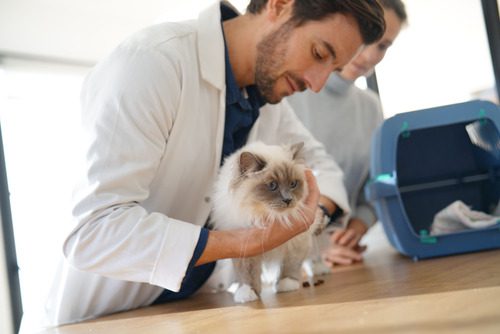
Why Cats Eat Plastic in the First Place
Cats interact with their environment through scent and texture, and plastic items often stimulate both senses. Whether your cat is drawn to the crinkle of a bag or the scent of food residue, plastic can be surprisingly tempting.
Reasons Cats Are Attracted to Plastic
Several factors may drive a cat to chew or ingest plastic:
- Food smells – Plastic wrappers, especially those from meat or dairy products, may still carry a strong scent.
- Pica behavior – Pica is a condition where cats compulsively eat non-food items. This behavior can stem from nutritional deficiencies, boredom, or underlying health issues.
- Texture and sound – Some cats enjoy the feel or noise of plastic, which can stimulate play and chewing.
- Stress or anxiety – Cats dealing with environmental changes or stressors might chew plastic as a coping mechanism.
- Teething in kittens – Young cats may chew on items during teething, including plastic materials around the house.
Understanding the “why” behind the behavior is only part of the puzzle. Once your cat has eaten plastic, it’s important to know how to assess the situation.
What Happens When a Cat Eats Plastic?
The outcome depends on the type and amount of plastic your cat ingests. While some cats pass small pieces without issue, others may experience blockages or internal injuries.
Potential Health Risks from Plastic Ingestion
Swallowing plastic can create several problems, including:
- Intestinal blockage – A piece of plastic can become lodged in the digestive tract, leading to life-threatening complications.
- Choking hazard – Especially with items like plastic string or cellophane.
- Mouth or throat injuries – Jagged pieces of hard plastic can scratch or puncture soft tissue.
- Digestive upset – Even if the plastic passes, it can irritate the stomach or intestines, causing vomiting or discomfort.
- Toxicity – Some plastics contain chemicals or residues that can be harmful if ingested.
If you saw your cat eat plastic or suspect that they did, monitor them closely and contact your veterinarian right away.
Signs Your Cat May Have Eaten Plastic
You might not always witness the moment your cat swallows something they shouldn’t. In those cases, you’ll need to rely on signs that suggest they’ve ingested plastic. Keep an eye out for the following symptoms:
- Vomiting or retching
- Drooling or difficulty swallowing
- Lack of appetite
- Lethargy or hiding
- Abdominal pain or swelling
- Changes in litter box habits, such as straining or not defecating
- Diarrhea or unusual stool, possibly containing plastic
These signs don’t always mean a serious issue is present, but they indicate that your cat needs to be seen by your veterinarian. If you’re in the Ann Arbor area, call Ann Arbor Animal Hospital at (774) 662-4474 for guidance.
What to Do if Your Cat Ate Plastic
While your first instinct may be to panic, staying calm and contacting your veterinarian is the best step forward. Do not attempt to make your cat vomit or remove the plastic yourself.
When to Contact the Vet
You should call your vet immediately if:
- You saw your cat swallow plastic, regardless of size
- Your cat is showing any symptoms listed above
- You suspect the plastic was sharp or stringy
- Your cat has a history of ingesting non-food items
Veterinarians may recommend monitoring your cat at home, scheduling a non-emergency visit, or coming in right away, depending on the situation.
What Not to Do
Avoid trying to treat the issue at home. This includes:
- Inducing vomiting, which can cause choking or further damage
- Giving your cat human medications
- Waiting too long to seek professional input
Prompt veterinary guidance can help reduce complications and increase the chances of a positive outcome.
Diagnosing and Treating Plastic Ingestion
If your cat needs to be seen, your veterinarian will take steps to confirm what’s going on and determine the best course of action.
Diagnostic Tools
- Physical exam – Your vet will first check for signs of distress or discomfort.
- X-rays or ultrasound – These imaging tools help locate any foreign objects in the digestive system.
- Bloodwork – This can check for signs of infection, dehydration, or organ involvement.
How Is Plastic Ingestion Treated?
Treatment depends on the size and type of plastic ingested:
- Monitoring – If the plastic is small and your cat shows no symptoms, your vet may suggest monitoring them at home.
- Medication – Laxatives or fluids may be used to help pass the item naturally.
- Endoscopy – In some cases, plastic can be removed non-surgically using a scope.
- Surgery – If the plastic has caused a blockage or damage, surgical removal may be required.
Quick veterinary intervention can significantly reduce the risk of long-term complications.
Steps You Can Take to Prevent It from Happening Again
If your cat has a habit of chewing on plastic, there are several ways to reduce temptation and keep them safe.
Environmental Management
- Keep plastic items out of reach – Store grocery bags, food wrappers, and packaging securely.
- Use pet-safe storage bins – Especially for items that carry enticing smells.
- Provide alternatives – Offer toys, chews, or enrichment activities that distract from non-food items.
Behavioral and Medical Support
- Enrichment – Bored cats may chew out of frustration. Interactive toys and daily playtime can help redirect their energy.
- Diet review – Speak with your vet about your cat’s diet to ensure it meets their nutritional needs.
- Veterinary evaluation – If your cat consistently eats non-edible objects, a medical or behavioral issue may be at play.
When You’re Not Sure, Call Your Ann Arbor Vet
Even if you’re unsure whether your cat actually ate plastic, it’s better to ask your veterinarian than to wait and see. Cats are skilled at hiding discomfort, and what may seem like a minor issue could turn serious quickly. If you’re located in Ann Arbor, MI, contact Ann Arbor Animal Hospital at (774) 662-4474. Our experienced veterinary team can guide you through the next steps, whether your cat needs to be seen immediately or simply monitored at home. Always keep a watchful eye on your cat’s behavior and surroundings and never hesitate to reach out for expert help.
Recent Posts
About Us
Ann Arbor Animal Hospital is a locally-owned animal hospital operating for over 90 years in Ann Arbor, MI.