Bearded Dragon Tail Rot: What It Looks Like and How to Treat It
Bearded dragon tail rot usually shows up as dark brown or black discoloration that starts at the tail tip and slowly creeps toward the body, often with skin that turns dry, shriveled, brittle, or mushy. Unlike normal color changes, the darkened area stays dark no matter how warm or relaxed your lizard feels.
Bearded dragon tail rot is a form of tissue death, and it won’t resolve on its own. The good news is that early detection gives your reptile the best chance at a smooth recovery. At Ann Arbor Animal Hospital, we help reptile owners across Ann Arbor and beyond understand what causes this condition, how to spot it early, and what veterinary care involves. Read on to learn how to recognize bearded dragon tail rot, what puts a lizard at risk, and why prompt attention from a veterinarian makes such a difference.
What Is Tail Rot on a Bearded Dragon?
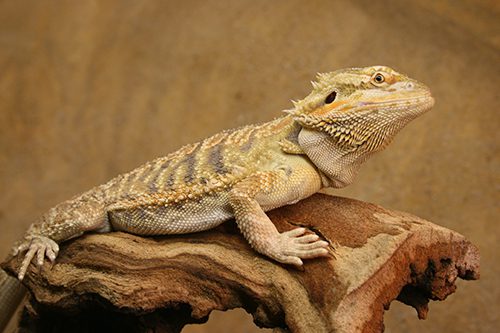
Bearded dragon tail rot is a condition where tissue in the tail loses its blood supply or becomes infected and begins to die.
Veterinarians often describe it as tail necrosis. The tail of a bearded dragon is especially vulnerable because it narrows to a thin point, and blood flow to the tip is already limited. When something interrupts that circulation or allows bacteria or fungi to take hold, the tissue starts breaking down. Without treatment, the damage can travel up the tail and, in severe cases, spread infection deeper into the body.
How Does a Bearded Dragon Get Tail Rot?
Several situations can set the stage for tail rot. Common contributing factors include:
- Injuries: A tail caught in a door, crushed under décor, or bitten by a tank mate can damage tissue and open a path for infection.
- Retained shed: Old skin that stays wrapped around the tail can tighten as it dries and cut off circulation.
- Nutritional imbalances: Low calcium or vitamin D3 levels, often linked to metabolic bone disease, can weaken tissue and bone.
- Unclean or damp enclosures: Dirty substrate and excess humidity encourage bacterial and fungal growth.
- Stress and weakened immunity: Improper temperatures, overcrowding, or underlying illness can lower your dragon’s natural defenses.
In many cases, more than one of these factors plays a role. Identifying the root cause helps your veterinarian create a care plan that addresses the problem at its source, not just the visible damage.
How Can You Tell If a Bearded Dragon Has Tail Rot?
Spotting bearded dragon tail rot comes down to watching for changes in color, texture, and how the tail behaves over time.
Regular, hands-on looks at your dragon’s tail during handling or feeding make subtle problems easier to catch. Signs that may point to tail rot include:
- Dark brown, gray, or black coloring that begins at the tip and moves upward
- A dry, shriveled, or wrinkled appearance in the affected section
- Skin or tissue that looks wet, swollen, or mushy
- Brittle segments that crack, flake, or break off
- A clear line between healthy tissue and discolored tissue
- Reduced appetite, lethargy, or reluctance to move the tail
The speed of these changes matters too. Bearded dragon tail rot tends to advance gradually, so a discolored area that looks a little larger each week is a red flag. Run your fingers gently along the tail during handling and note any spots that feel noticeably different from the rest. Hard, stiff sections or areas that seem tender when touched deserve a closer look from your veterinarian.
Telling Tail Rot Apart From Normal Color Changes
Bearded dragons naturally darken their skin to absorb heat, communicate, or signal stress, so a dark tail doesn’t always mean trouble. Normal darkening usually fades once your dragon warms up or settles down, and the skin still feels supple. Bearded dragon tail rot, on the other hand, stays the same color regardless of temperature or mood, and the tissue often feels hard, dry, or soft in an unusual way. Retained shed can also look dull or grayish, which adds to the confusion. If you can’t tell the difference, a veterinary exam offers a clear answer.
What Does Early Stage Tail Rot Look Like?
Early stage bearded dragon tail rot is easy to miss because the first changes are small and usually limited to the very tip of the tail.
At first, you might notice that the last fraction of an inch looks slightly darker than the rest of the tail, or that the tip seems thinner and drier than usual. The scales in that area may lose their normal sheen and take on a dull, crusty texture. Some owners also spot a faint ring or band where healthy color meets the discolored section, which can signal a problem with blood flow.
Because the tip has so little tissue, your dragon may not act sick during this stage. It might eat, bask, and explore just as it always does. That normal behavior can create a false sense of security, but the condition can progress steadily even when your lizard seems fine.
Why Early Action Matters
Catching bearded dragon tail rot early often means less tissue loss, a simpler treatment plan, and a faster recovery. Once the damage moves closer to the base of the tail, treatment may become more involved, and the risk of infection spreading into the bloodstream or bones increases. A tail that looks only slightly off is still worth a veterinary visit, especially if the change has appeared over a few days or seems to be growing.
Taking a quick photo of your dragon’s tail each week is an easy way to track subtle shifts. Comparing images side by side can reveal darkening that you might otherwise overlook.
How Do Veterinarians Treat Bearded Dragon Tail Rot?
Treatment for bearded dragon tail rot always starts with a professional exam, since the right approach depends on how far the damage has spread and what caused it.
Home remedies found online can delay proper care and allow the condition to worsen, so tail rot is best handled by a veterinarian with reptile experience. Your dragon’s care plan will be tailored to its specific situation.
What to Expect at the Appointment
Bringing a few details with you makes the visit more productive. Jot down when you first noticed the change, any recent sheds or injuries, and the temperatures, lighting, and diet in your dragon’s enclosure. Photos that show how the tail looked over time can be especially helpful. Your veterinarian will examine the tail closely, ask about your dragon’s habitat and diet, and assess its overall health. Diagnostic tests such as X-rays can show whether the bone inside the tail is affected, and a culture may help identify a bacterial or fungal infection.
Based on these findings, treatment may include prescription medications to fight infection or, for advanced cases, surgical removal of the damaged portion of the tail. Amputation sounds alarming, but bearded dragons typically adapt well and go on to live comfortable, active lives.
Supporting Recovery Through Better Husbandry
Medical treatment works best when paired with habitat improvements. Your veterinarian may recommend adjustments to enclosure cleanliness, substrate choice, temperatures, UVB lighting, or diet to lower the chance of the problem returning. Follow-up visits allow your vet to monitor healing and confirm that the tail is responding well.
Recovery timelines vary from one dragon to the next. A mild case of bearded dragon tail rot caught at the tip may heal fairly quickly, while advanced cases can take several weeks. Following your veterinarian’s instructions closely and attending every recheck appointment give your dragon the strongest chance at a full recovery.
Schedule a Reptile Tail Check at Ann Arbor Animal Hospital
Bearded dragon tail rot can look minor at first, but it’s a progressive condition that deserves prompt veterinary attention. Learning the warning signs, understanding what puts your lizard at risk, and paying close attention to tail color and texture all help you act quickly when something changes.
If you’ve noticed darkening, shriveling, or unusual texture on your dragon’s tail, the team at Ann Arbor Animal Hospital is ready to help. We can examine your reptile, explain what we find, and build a treatment plan that fits its needs. Routine wellness visits also give us the chance to review habitat setup and diet before small issues turn into bigger ones. Whether your dragon needs a quick tail check or a full wellness exam, our team is happy to answer your questions. To book an appointment for your bearded dragon, call (734) 662-4474 today.
Recent Posts
About Us
Ann Arbor Animal Hospital is a locally-owned animal hospital operating for over 90 years in Ann Arbor, MI.