
Yellow Fungus on Bearded Dragons: What It Means & Treatment
Yellow fungus is a contagious and progressive fungal skin infection, most often caused by an organism called Nannizziopsis guarroi, that produces yellowish, crusty lesions and can spread into deeper tissues if left untreated. Many reptile veterinarians still refer to it by its older name, CANV, or simply as yellow fungus disease.
A yellow fungus bearded dragon diagnosis can feel overwhelming, especially since the condition has a reputation for being stubborn. Still, early recognition and consistent veterinary care give many lizards a real chance at recovery. At Ann Arbor Animal Hospital, we want local reptile owners to feel confident spotting the warning signs and understanding what comes next. This article covers how the infection looks at different stages, what raises a dragon’s risk, and what treatment through your veterinarian typically involves, so you can act quickly if something doesn’t look right.
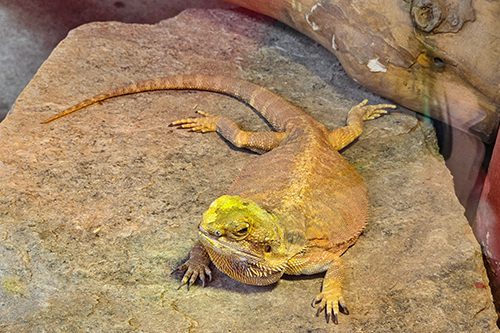
What Is Yellow Fungus Disease in Bearded Dragons?
Yellow fungus disease is a serious infection that begins in the skin and, over time, can invade muscle, bone, and internal organs.
The fungus responsible belongs to a group of organisms that specifically target reptiles. Bearded dragons appear to be particularly susceptible, and the condition shows up in pet collections, breeding facilities, and pet stores alike. Once the fungus takes hold, it feeds on keratin, the tough protein found in scales and skin. That’s why the earliest damage usually appears on the surface before moving inward. Veterinarians have documented yellow fungus in bearded dragons around the world, and it remains one of the most common fungal diseases seen in pet lizards. Greater awareness among owners has helped more cases get caught at an earlier, more treatable stage.
Why Veterinarians Take It Seriously
Yellow fungus in bearded dragons is more than a cosmetic skin problem. As the infection advances, it can destroy healthy tissue, cause painful ulcers, and lead to secondary bacterial infections. In severe or long-standing cases, the fungus can spread through the body and become life-threatening. Because the infection also passes easily between reptiles, a single affected lizard can put others in the same home at risk.
Is Yellow Fungus Curable?
Outcomes depend heavily on how early the infection is found and how far it has spread. Dragons diagnosed while lesions are still limited to the skin generally have a better outlook than those with deep or widespread disease. Treatment often takes weeks to months, and some dragons need ongoing monitoring even after their skin improves. Your veterinarian can give you a realistic picture of your pet’s prognosis after a full evaluation.
What Does Yellow Fungus Look Like on a Bearded Dragon?
Yellow fungus typically appears as discolored, thickened, or crusty patches of skin that don’t shed away normally.
Lesions most commonly develop on the face, limbs, belly, and tail, though they can show up anywhere on the body. Visual signs to watch for include:
- Yellow, tan, or cream-colored patches that look raised or crusted
- Skin that appears thick, rough, or bumpy compared with surrounding scales
- Areas that stay discolored even after your dragon finishes a shed
- Lesions that turn brown or black as they age
- Open sores, ulcers, or raw-looking patches beneath crusts
- Swelling around the mouth, jaw, or toes
Early Signs Versus Advanced Infection
In the early stages, a yellow fungus bearded dragon case may look like a small patch of retained shed or a slightly off-color scale. These spots are easy to dismiss, but they often grow larger or multiply over a few weeks. As the disease progresses, lesions can merge together, deepen into the tissue, and leave behind scarring or tissue loss. Some dragons also develop behavior changes such as weight loss, a reduced appetite, or lethargy.
Conditions That Look Similar
Stuck shed, burns from a heat source, bacterial skin infections, and mite infestations can all mimic the appearance of yellow fungus. Because these problems call for different treatments, guessing at home can lead to lost time. Laboratory testing is the only reliable way to confirm a fungal infection. If you notice a suspicious patch, take clear photos, note when it first appeared, and schedule an exam so your veterinarian can compare any changes over time.
What Causes Yellow Fungus on Bearded Dragons?
Yellow fungus on bearded dragons is caused by exposure to the fungal organism, but a dragon’s environment and overall health strongly influence whether an infection takes hold.
How the Fungus Spreads
The fungus moves from one reptile to another through direct contact or through shared surfaces and supplies. Contaminated substrate, décor, food dishes, and even the hands of people who handle multiple reptiles can carry it between enclosures. New dragons from crowded pet stores or breeding operations may arrive already exposed, sometimes before visible lesions appear. The organism can also linger in an enclosure, so a habitat that once housed a yellow fungus bearded dragon may expose the next reptile that lives there unless it has been properly cleaned or replaced.
Factors That Increase Risk
Healthy dragons with strong immune systems may resist infection more effectively, while certain conditions make lizards more vulnerable. Common risk factors include:
- High humidity or damp, poorly ventilated enclosures
- Dirty or infrequently changed substrate
- Small skin wounds, scratches, or bite injuries that create entry points
- Chronic stress from overcrowding, improper temperatures, or frequent changes
- Poor nutrition or inadequate UVB lighting that weakens overall health
- Housing with other reptiles that have not completed a quarantine period
Quarantining new reptiles in a separate room and scheduling a veterinary exam before introducing them to your collection are two of the most effective ways to lower the risk of yellow fungus in bearded dragons. A wellness visit also gives your veterinarian a chance to review your habitat setup and spot conditions that could invite infection.
How Do Veterinarians Treat Yellow Fungus on a Bearded Dragon?
Successful treatment of yellow fungus on a bearded dragon depends on an accurate diagnosis and a long-term care plan led by a veterinarian.
Over-the-counter creams and online home remedies are not effective against yellow fungus in bearded dragons, a deep-seated infection, and can delay care that your dragon truly needs. Prompt professional treatment offers the best chance of stopping the disease before it spreads further.
Diagnosing the Infection
Your veterinarian will begin with a thorough physical exam and questions about your dragon’s history, habitat, and any other reptiles in the home. To confirm a yellow fungus bearded dragon case, your vet may recommend a skin biopsy, fungal culture, or PCR testing. Blood work and X-rays can also help determine whether the infection has reached internal organs or bone.
What a Treatment Plan May Include
Treatment is tailored to each patient and usually combines several approaches. Your veterinarian may prescribe oral antifungal medication along with topical therapy, and some dragons need affected tissue surgically cleaned or removed. Supportive care, such as fluids or nutritional assistance, may help weaker lizards regain strength. Because the fungus is persistent, regular rechecks and follow-up testing help confirm that treatment is working.
Many dragons need medication for several weeks or longer, and stopping too soon may allow the infection to return. Your veterinarian will decide when it’s safe to end treatment based on your dragon’s response and test results.
Protecting Other Pets in the Home
Your veterinarian will likely recommend isolating the affected dragon and thoroughly disinfecting or replacing enclosure items. Following that guidance closely helps prevent reinfection and protects any other reptiles you care for.
Get Help for Your Reptile’s Skin Concerns at Ann Arbor Animal Hospital
Yellow fungus is one of the more challenging conditions a bearded dragon can face, but owners who know the warning signs are in a strong position to help. Crusty, discolored patches, skin that won’t shed properly, and lesions that keep growing all deserve a professional look sooner rather than later.
If you suspect a skin infection or simply want a second opinion on an unusual spot, the team at Ann Arbor Animal Hospital is ready to help. We can examine your reptile, discuss diagnostic options, and guide you through each step of care. Routine wellness exams also let us catch subtle skin changes early and fine-tune your dragon’s habitat, diet, and lighting for long-term health. To schedule an appointment for your bearded dragon, call (734) 662-4474 today.
Recent Posts
About Us
Ann Arbor Animal Hospital is a locally-owned animal hospital operating for over 90 years in Ann Arbor, MI.