
Why Does My Cat Nurse on Blankets?
If you’ve ever caught your cat kneading a soft blanket while gently sucking on it, you might’ve asked yourself, “Why does my cat nurse on blankets?” This behavior, while adorable, can be puzzling, especially if your cat is well beyond kittenhood. Many pet owners in Ann Arbor and beyond witness this at some point, and it’s not always clear whether it’s a quirky habit, a sign of stress, or something deeper. In this blog, we’ll explore the many reasons behind this behavior, when it might require a closer look, and what you can do to help your cat feel secure. Read on to find out what your cat’s blanket-nursing behavior might be telling you.
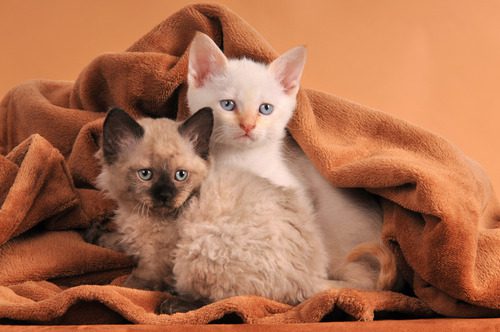
What Does Blanket Nursing Look Like?
Before diving into why does my cat nurse on blankets, let’s break down the behavior itself. Blanket nursing typically involves your cat sucking, mouthing, or gently biting at a soft item—most often a blanket, piece of clothing, or even plush toy—while kneading with their front paws. The behavior can last several minutes or longer and is usually accompanied by a trance-like state. Some cats even purr during the act, indicating that it’s a soothing ritual. This behavior is most common in young cats or those adopted early in life, but many adult cats continue to nurse on blankets well into their senior years. For some, it’s a daily occurrence; for others, it happens only occasionally, often during quiet, stress-free moments.
The Most Common Reason: Early Weaning
One of the most frequently discussed explanations for why cats nurse on blankets is early weaning. Kittens normally nurse from their mother until they are about 8 to 10 weeks old. If a kitten is separated earlier than that, they may not have had enough time to outgrow their suckling instinct.
How Early Weaning Affects Behavior
Cats who were weaned early might continue to seek comfort through suckling behaviors. Blankets, soft clothing, and even long-haired humans can become surrogate nursing targets. It’s not uncommon for these cats to knead and suckle throughout their lives, especially during stressful periods or when they seek comfort. This behavior is often more about emotional security than nutrition.
Is Blanket Nursing a Sign of Stress or Anxiety?
In some cases, the question of why does my cat nurse on blankets has more to do with emotional needs than early life experience. Cats are creatures of habit and often use repetitive behaviors to manage stress. Blanket nursing may offer comfort in times of transition, such as moving to a new home, changes in the household, or the introduction of a new pet.
Stress Triggers to Watch For
- Changes in routine or environment
- New pets or family members
- Loss of a companion animal
- Visits to the vet or boarding
- Unusual noise levels in or around the home
If your cat suddenly begins nursing on blankets after a major change, it might be using this behavior to self-soothe. It’s always helpful to track any patterns or triggers that coincide with the behavior to better understand what your cat may be reacting to.
Could It Be a Sign of a Medical Issue?
While rare, there are instances where cats nursing on blankets could point to an underlying health concern. If the behavior is sudden, persistent, or accompanied by other unusual symptoms, it’s a good idea to schedule a check-up with your veterinarian in Ann Arbor.
When to Contact Your Vet
Consider calling Ann Arbor Animal Hospital at (734) 662-4474 or booking an appointment online if you notice:
- Sudden onset of nursing in an adult cat
- Increased drooling or oral irritation
- Behavioral changes such as hiding, aggression, or excessive grooming
- Appetite or weight changes
- Gastrointestinal symptoms like vomiting or diarrhea
Though blanket nursing is usually harmless, it’s always smart to rule out any physical discomfort or illness that might be prompting your cat to seek relief.
Does Breed Play a Role in Blanket Nursing?
Interestingly, some cat breeds may be more prone to nursing behaviors than others. Oriental breeds, such as Siamese and Burmese cats, are known to exhibit this type of behavior more frequently.
Why Certain Breeds May Be More Prone
Oriental breeds tend to be more social, vocal, and emotionally sensitive. They often form strong bonds with their owners and may rely on soothing behaviors like blanket nursing more heavily. If you have one of these breeds at home, the question, “Why does my cat nurse on blankets?” may simply be part of their breed-specific behavior profile.
Should You Stop Your Cat from Blanket Nursing?
Whether or not you should discourage this behavior depends on how frequently it occurs and whether it causes any issues. Most of the time, blanket nursing is a benign habit that helps your cat relax. If it doesn’t involve chewing or swallowing fabric or disrupting daily life, it may not need to be corrected.
When Intervention Might Be Needed
- Your cat is ingesting parts of the blanket
- The behavior becomes obsessive or disruptive
- Your cat becomes aggressive when interrupted
- Other pets or household routines are being affected
In such cases, your veterinarian can help you determine the best next steps. Behavioral redirection, environmental enrichment, and scheduled feeding times can often reduce compulsive tendencies without stress or punishment.
Ways to Help Your Cat Feel More Secure
If you’re wondering, “Why does my cat nurse on blankets?” and want to help reduce the behavior, the key lies in providing comfort, routine, and stimulation. A secure and enriching environment can often reduce the need for self-soothing.
Comfort Strategies
- Offer plenty of enrichment: toys, scratching posts, window perches
- Establish consistent feeding and play times
- Use pheromone diffusers or sprays to promote calmness
- Make sure your cat has quiet, safe places to retreat
- Maintain a stable routine, especially during household changes
The more predictable and engaging your cat’s environment is, the less likely it is to rely on behaviors like blanket nursing for comfort.
Your Cat’s Unique Personality Matters, Too
At the end of the day, the answer to “Why does my cat nurse on blankets?” may lie in your cat’s unique personality and history. Some cats are simply more prone to ritualistic or comfort-seeking behaviors than others. What one cat finds soothing, another may never do at all. Each cat’s behavior tells a story about their emotional needs and life experiences. If your cat finds peace in nursing on a soft blanket and it isn’t causing any harm, you may not need to intervene. Still, it’s always a good idea to keep your veterinarian in the loop, especially if you notice changes in frequency or intensity. If you have questions or concerns about your cat’s behavior, our team at Ann Arbor Animal Hospital is happy to help. Call (734) 662-4474 or request an appointment online to talk with one of our experienced veterinarians.
Recent Posts
About Us
Ann Arbor Animal Hospital is a locally-owned animal hospital operating for over 90 years in Ann Arbor, MI.