Why Is My Dog’s Nose Dry?
Most pet parents associate a wet nose with a healthy dog, but what happens when your dog’s nose feels dry? It’s easy to jump to conclusions or worry something’s wrong, especially when you’re used to a cool, damp snout nudging your hand. “Why is my dog’s nose dry?” is a valid question, and the answer isn’t always straightforward. Some causes are perfectly harmless, while others may need a closer look. In this blog, we’ll break down the many reasons a dog’s nose might dry out, what’s normal, and when to reach out to your vet. If you’re near Ann Arbor and have concerns, call Ann Arbor Animal Hospital at (734) 662-4474 or make an appointment for a personalized assessment.
What a Healthy Dog Nose Looks and Feels Like
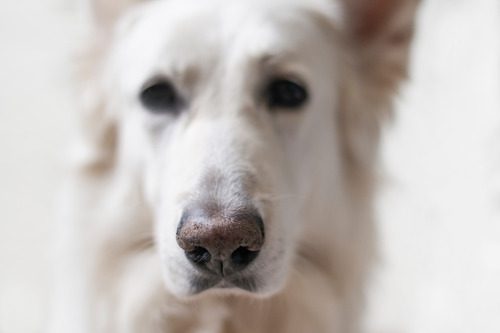
The condition of your dog’s nose can vary throughout the day and still be completely normal. While most people associate a moist, cold nose with good health, this isn’t a hard-and-fast rule. A healthy nose can be wet, dry, warm, or cool, depending on the environment, activity level, and even sleep.
Variability Is Normal
Dogs use their noses for everything: sniffing, breathing, even regulating temperature to a degree. Moisture on the nose often comes from secretions from nasal glands, saliva transferred during grooming, or water your dog drinks. But changes throughout the day like drying during a nap or after a walk don’t necessarily indicate illness.
Texture and Color Changes
Some dogs naturally have lighter-colored noses that darken or lighten with the seasons, known as “snow nose.” Others may develop crusting or rough patches with age. Mild dryness without flaking or cracking is often nothing to worry about. However, if you’re asking “Why is my dog’s nose dry?” and noticing texture changes too, a veterinary visit may be warranted.
What Causes a Dry Dog Nose?
When your dog’s nose feels dry, several factors could be contributing. Many are harmless, while others may need attention.
Environmental Conditions
Just like your skin, your dog’s nose can dry out due to heat, wind, or dry air. Sleeping near a heating vent, spending time outside on a cold day, or lying in the sun for too long can all lead to a temporary dry nose. Dogs in Michigan can experience this more in winter due to indoor heating or low humidity.
Napping and Sleep
Dogs often wake up with a dry nose simply because they haven’t licked it while sleeping. Once they’re up and moving, their nose usually regains its moisture. If you’re wondering “Why is my dog’s nose dry after a nap?” this is likely the reason.
Dehydration
If your dog hasn’t had enough to drink, you might notice a dry mouth, sticky gums, and a dry nose. Dehydration may happen after vigorous activity, hot weather, or an illness that causes vomiting or diarrhea. Always monitor your dog’s water intake and encourage hydration, especially after walks or playtime.
Allergies and Irritants
Allergens in the environment such as pollen, dust, or cleaning products can dry out the nasal tissue. Some dogs are also sensitive to plastics or certain materials in their bowls. Switching to stainless steel or ceramic may help if irritation is a factor.
Medical Conditions That Can Cause a Dry Nose
If your dog’s nose remains dry over time or shows other signs like cracking, bleeding, or thick discharge, an underlying medical issue may be involved. These conditions should be evaluated by your veterinarian.
Autoimmune Disorders
Certain autoimmune diseases, such as discoid lupus erythematosus (DLE) or pemphigus, can cause changes in the nose’s appearance. These often involve crusting, ulceration, and loss of pigmentation. If you’re concerned, call Ann Arbor Animal Hospital at (734) 662-4474 for an evaluation.
Nasal Hyperkeratosis
This condition involves excessive growth of keratin, which is the protein found in skin and nails, leading to a rough, crusty buildup on the nose. It can be age-related or associated with specific breeds like boxers, bulldogs, or cocker spaniels. While not usually dangerous, it can cause discomfort and should be managed by a veterinary team.
Fever or Illness
A dry nose can sometimes signal a fever, especially if it’s accompanied by lethargy, poor appetite, coughing, or changes in behavior. Dogs with respiratory infections or systemic illnesses may also show this symptom. In these cases, “Why is my dog’s nose dry” might be the first clue that something deeper is going on.
When to Call Your Vet
A dry nose alone isn’t usually a medical emergency, but it’s important to assess the full picture. If dryness is the only symptom and it resolves quickly, your dog is probably fine. But if other changes accompany it, call your vet.
Signs to Watch For
- Cracks or bleeding
- Discoloration or pigment loss
- Nasal discharge that’s thick or discolored
- Scabbing or sores
- Behavioral changes like hiding, whining, or lethargy
If you notice any of these, it’s time for a closer look. Contact Ann Arbor Animal Hospital to schedule an appointment, especially if your dog’s behavior or physical condition has changed. Our team is here to help assess the situation and guide next steps.
Breed-Specific Considerations
Some breeds are more prone to nasal dryness due to genetics, anatomy, or skin conditions.
Brachycephalic Breeds
Short-nosed breeds like pugs, bulldogs, and Boston terriers often have narrower nasal passages and may experience more dryness due to restricted airflow. Their nose may also be more exposed, increasing susceptibility to sunburn or chapping.
Dogs with Skin Disorders
Breeds with a history of skin issues such as Labrador retrievers, West Highland white terriers, or shar-peis can also develop dry nose symptoms tied to broader dermatological problems. These dogs may require more frequent check-ins and supportive care to manage symptoms effectively.
Should I Be Worried If My Dog’s Nose Is Always Dry?
The short answer: not always. If your dog is eating, drinking, playing, and behaving normally, a dry nose might just be part of their daily rhythm. But if the dryness becomes persistent or is paired with other concerning symptoms, it’s time to investigate further. A consistently dry nose could point to an environmental sensitivity or a more chronic condition that deserves a professional look. Pet parents near Ann Arbor can call us or book an appointment with Ann Arbor Animal Hospital for peace of mind and personalized attention.
Your Dog’s Nose Tells a Story, But It’s Just One Chapter
Asking “Why is my dog’s nose dry” is a great first step in paying close attention to your dog’s health. But the nose alone doesn’t tell the whole story. Always consider your dog’s energy, appetite, behavior, and other physical signs. Most of the time, a dry nose isn’t a reason to worry, but if you’re uncertain, checking in with your veterinarian is always the right call. If you’re in Ann Arbor and would like your dog’s symptoms evaluated, call Ann Arbor Animal Hospital at (734) 662-4474 or request an appointment today. We’re here to help your dog feel their best, nose and all.
Recent Posts
About Us
Ann Arbor Animal Hospital is a locally-owned animal hospital operating for over 90 years in Ann Arbor, MI.